

Sump Pump Guide For Homeowners And Property Managers
A reliable Sump Pump can make the difference between a dry basement and a costly water cleanup job. This article explains what a Sump Pump is how it works and what you need to know to choose maintain and troubleshoot one in your home or business. Whether you are a homeowner looking to protect a basement or a property manager responsible for multiple buildings the information here will help you make smart choices that prevent damage and reduce worry.
What Is A Sump Pump And Why It Matters
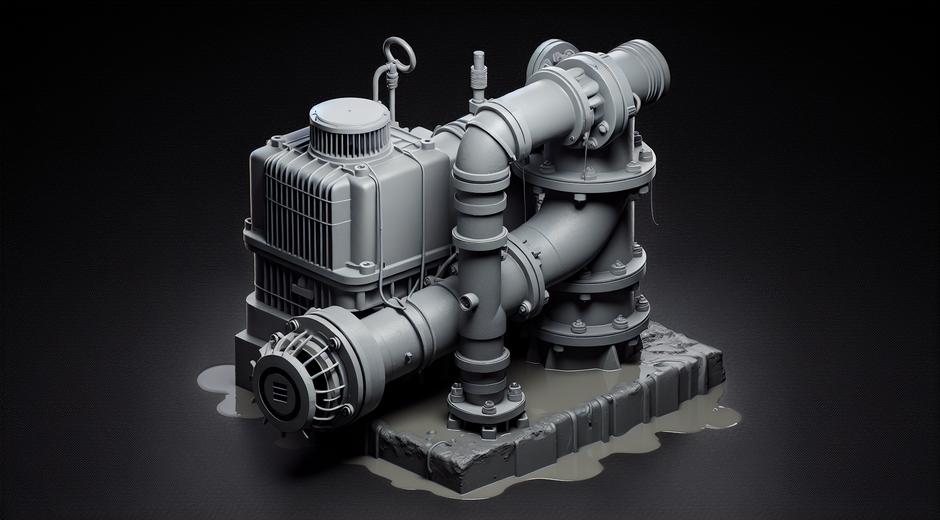
A Sump Pump is a mechanical device installed in the lowest part of a basement or crawl space. Its job is to collect excess water that accumulates in a pit called a sump basin and pump it away from the foundation. Without a functioning Sump Pump water can seep into the foundation leading to mold mildew structural damage and ruined belongings. In areas that get heavy rain or where groundwater rises seasonally a Sump Pump is an essential part of a home protection plan.
Types Of Sump Pumps
There are two main types of Sump Pump units each with pros and cons. A pedestal unit has the motor mounted above the basin and the pump below. These units are easy to service and can last a long time when kept clean. A submersible unit sits inside the basin and the motor is water resistant. Submersible units are quieter and often handle larger volumes of water but can be harder to access for repairs. When selecting a unit consider your budget the size of the basin and how often you expect the pump to run.
Choosing The Right Capacity And Power
Key specifications when shopping for a Sump Pump include the pumping capacity often listed in gallons per hour at specific heights the power source and build quality. Capacity matters because a pump that cannot move water quickly enough can be overwhelmed during a heavy rain event. Look for models that deliver adequate flow at the head height required to move water clear of the foundation. If your home is in a high risk area consider a model with higher capacity or a dual pump system for redundancy.
Installation Basics
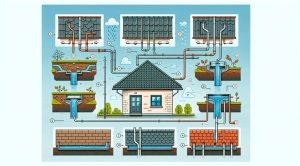
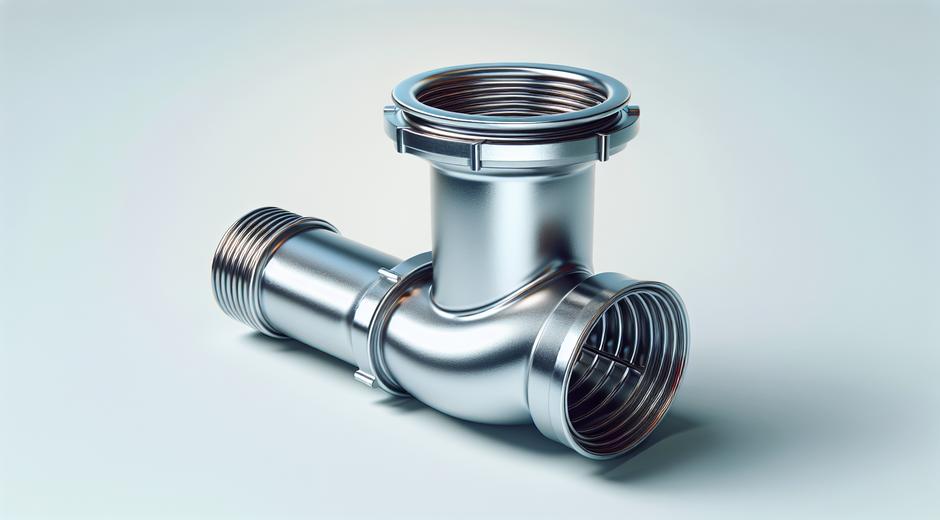
Proper installation ensures reliable operation. The Sump Pump should sit securely in a clean basin and have a check valve on the discharge line to prevent backflow. The discharge line should route water far enough from the foundation to avoid runoff back toward the house. For safety make sure wiring is done to code and that the pump has a dedicated circuit when possible. If you prefer expert help search local pros or consult a reliable home service directory for installation guidance.
Maintenance Tips To Extend Life And Ensure Reliability
Routine maintenance prevents unexpected failures. Inspect the basin and remove debris that could clog the pump. Test the pump by pouring water into the basin until the float activates the unit. If the pump fails to start check the power source and the float for obstructions. Replace worn seals and clean inlet screens. It is also wise to test any backup power solution such as a battery based backup or a generator before storm season so you know your system will operate when the grid goes down.
Troubleshooting Common Problems
When a Sump Pump fails the cause is often simple to find. If the pump is noisy check for loose components or worn bearings. If it runs but does not remove water check the discharge line for ice blockage or clogging. If the pump cycles too often the float may be jammed or the basin may be too small for the inflow rate. For persistent or complex issues consult a trained technician to avoid damage to the unit or the plumbing system.
Backup Options And Redundancy
Because power outages often coincide with heavy storms a backup plan is crucial. Many homeowners install a secondary Sump Pump or a battery based backup that will run during a power loss. Solar based solutions can also provide extended runtime in sunny conditions. Dual pump setups provide extra peace of mind by sharing the load during peak inflow and by providing immediate redundancy if one pump fails.
Energy Use And Noise Considerations
Modern Sump Pump designs aim to be efficient and quiet. Look for units with energy efficient motors and built in protection against overheating. If noise is a concern choose a submersible model and mount it on rubber pads to reduce vibration. Consider models with variable speed operation which can reduce energy use during normal conditions while still delivering higher output when needed.
Costs And Long Term Value
Initial cost varies with capacity and brand. While budget models can be affordable paying a little more for a quality pump can reduce long term maintenance costs and deliver more reliable protection. Factor in installation costs and any plumbing changes required to route the discharge line. Taking a proactive approach to maintenance preserves value and prevents the much larger expense of water damage repairs.
When To Call A Professional
Certain situations call for professional help. If the discharge line requires rerouting through masonry or if you need to upgrade electrical service a licensed contractor should perform the work. Also call a pro for repeated failures or if the basin or foundation shows signs of structural movement. Proper diagnosis prevents wasted repairs and ensures the Sump Pump system will serve as an effective shield against water intrusion.
Safety And Environmental Notes
When discharging water think about where it goes. Directing water toward a storm drain or into a municipal system may be regulated in some areas. Avoid pumping water onto a neighbor property and be mindful of soil erosion near the foundation. When replacing a unit recycle old parts responsibly and follow local guidelines for disposal of motor oil and other fluids.
Resources And Further Reading
For hands on guides and product reviews check trusted home service portals. You can find general home repair information and related articles on sites that cover family safety and home care. For a general overview of home projects and safety practices consider reputable lifestyle resources such as CoolParentingTips.com which also covers household safety topics that matter to families. For local repair and service options visit fixolix.com where you will find category listings and tips for selecting service pros in your area.
Summary And Final Advice
A well chosen and maintained Sump Pump protects your property and provides invaluable peace of mind. Focus on capacity reliability and proper installation. Keep up with seasonal maintenance and test backup solutions before storm season. When in doubt call a licensed technician to ensure safe and code compliant work. With the right setup and a smart maintenance routine a Sump Pump can save you time money and stress by keeping your lowest spaces dry and usable.
If you are planning an installation or want help choosing the right model start with a clear assessment of your basement size inflow risk and power options then match those needs to a pump that delivers the right capacity and durability.