




Eco-Friendly Composite Materials for Sustainable Interior Surfaces
Sustainability is no longer a design trend — it’s a necessity. As awareness grows, architects and homeowners are turning toward Eco-Friendly materials to transform interior spaces. Composite materials are now central to balancing durability and sustainability, offering beautiful finishes that align with modern environmental goals.
1. What Are Sustainable Composite Materials?
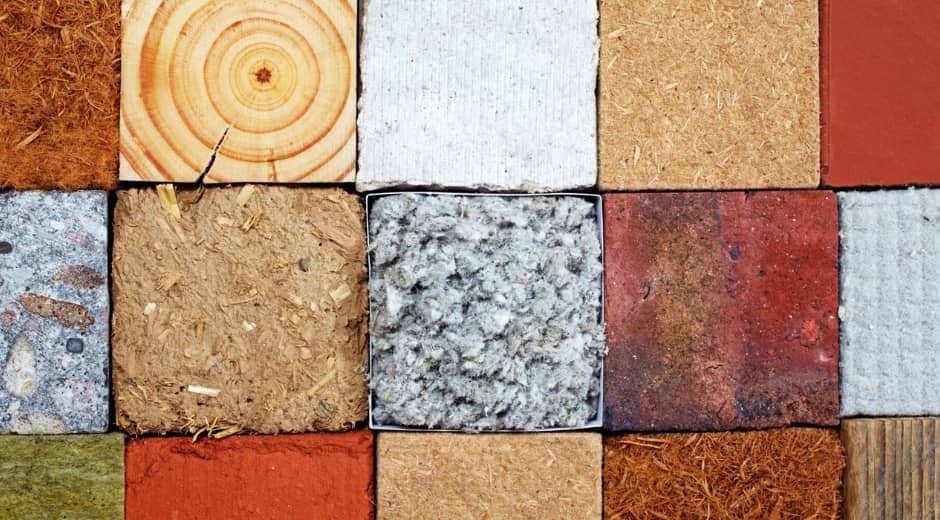
Composite materials are engineered from two or more substances that, when combined, form a product that’s stronger and longer-lasting. When made responsibly — using bamboo fibers, cork, or recycled plastics — they embody the essence of Eco-Friendly innovation. These materials rely on renewable sources and low-impact production, offering strength without compromising the planet’s well-being.
2. Benefits of Choosing Sustainable Surfaces
Switching to environmentally conscious materials means more than just reducing waste. Sustainable surfaces are durable, easy to maintain, and designed to improve indoor air quality thanks to low VOC emissions. Choosing Eco-Friendly composites also contributes to a circular economy, where waste is minimized and resources are used efficiently.
3. Popular Types of Sustainable Composites
Today’s market offers a variety of green options:
-
Recycled Plastic Composites — crafted from bottles and packaging waste.
-
Wood-Plastic Composites (WPC) — blend natural fibers with recycled polymers.
-
Bamboo Panels — a renewable favorite for cabinetry and flooring.
-
Natural Fiber Composites — hemp or jute mixed with biodegradable resins.
Each of these supports the Eco-Friendly design movement by merging natural aesthetics with technological progress.
4. Sustainable Surfaces in Modern Homes
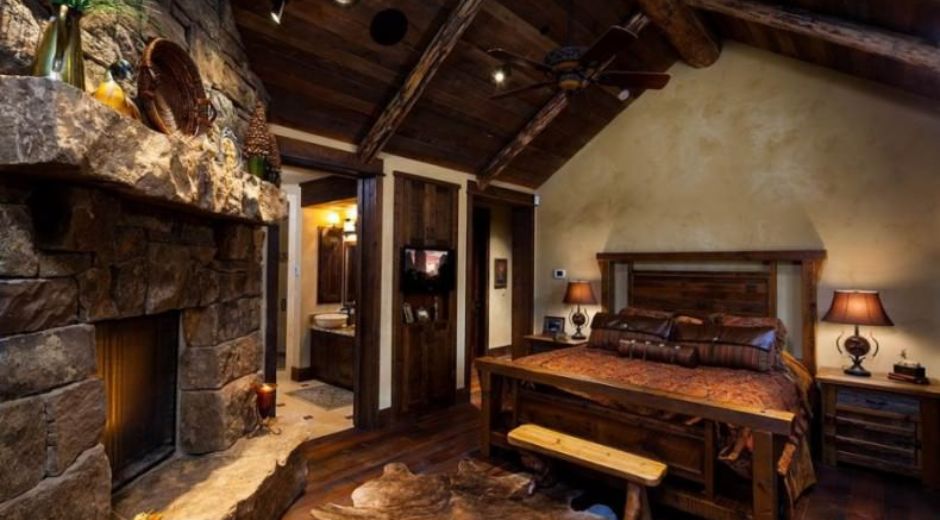
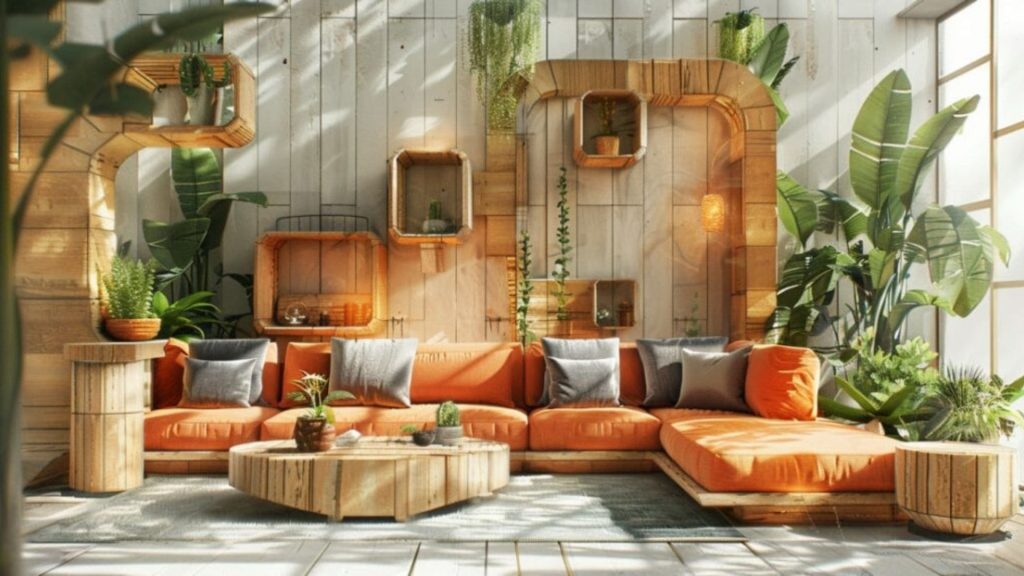
In contemporary interiors, Eco-Friendly composites appear in every room — kitchen countertops, wall cladding, and even high-traffic flooring. Recycled glass can add sparkle to minimalist kitchens, while bamboo wall panels bring warmth and texture. According to Fixolix, these surfaces redefine home design, allowing creativity and sustainability to coexist effortlessly.
5. How Technology Enhances Green Material Design
Digital manufacturing and smart coatings have made sustainable design more attainable. Through precision engineering, waste is reduced and material efficiency improves. 3D printing allows the reuse of industrial by-products, while bio-resins extend product life cycles. This synergy of innovation and ethics lies at the heart of Eco-Friendly construction practices.
6. The Environmental Value
Traditional materials consume vast resources and generate emissions. In contrast, sustainable composites lower energy use and reduce waste. Many are recyclable, ensuring longevity beyond their initial application. Studies highlighted by Metro Property Homes show that green building materials can cut carbon output by up to 40%, directly supporting global sustainability goals.
7. Cost, Longevity, and Practical Value
Though some Eco-Friendly surfaces have higher upfront costs, they deliver excellent long-term returns through durability and low maintenance. Homeowners investing in these materials benefit from reduced replacement needs and healthier indoor spaces, all while aligning with evolving environmental standards.
8. Design Flexibility
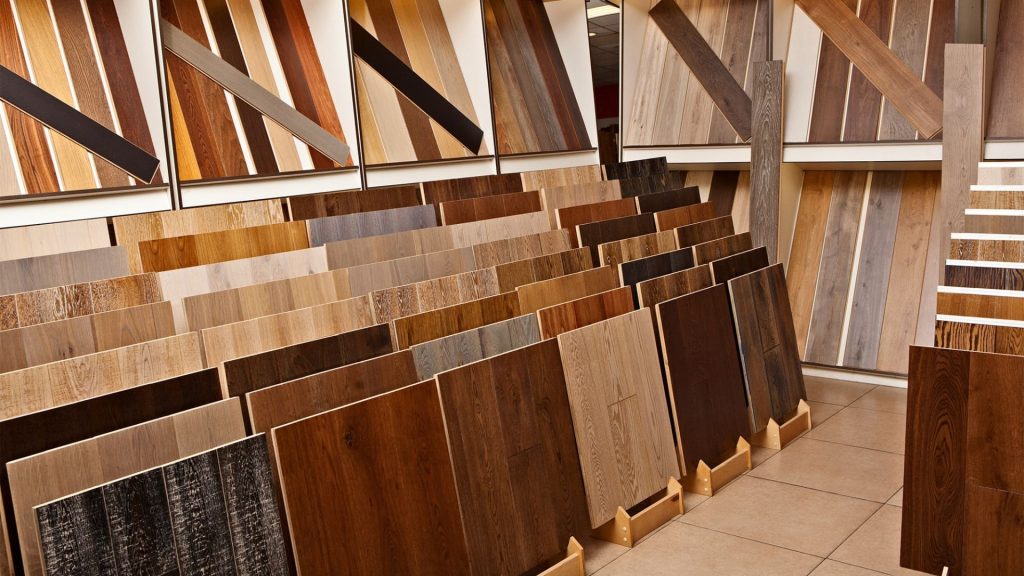
A remarkable trait of modern composites is versatility. They can mimic stone, wood, or metal, yet remain lightweight and customizable. Designers enjoy near-limitless freedom — choosing colors, textures, and finishes to match their aesthetic. Eco-Friendly materials prove that sustainability doesn’t limit creativity; it amplifies it.
9. How to Introduce Green Materials at Home
Updating a home can start small — swapping flooring or countertops for sustainable alternatives. Bamboo, cork, or recycled-glass options bring character and warmth. On Fixolix, readers can explore tutorials and design ideas to integrate these surfaces seamlessly into modern spaces.
10. Looking Ahead: The Future of Sustainable Design
The demand for Eco-Friendly composites continues to rise as technology evolves and consumers prioritize responsible choices. Manufacturers now develop bio-based resins and intelligent surfaces that adapt to climate conditions, proving that the future of design is both functional and ethical.
Conclusion
Sustainable composite materials bridge the gap between innovation and responsibility. By embracing Eco-Friendly design, homeowners and builders alike help shape a future where comfort and conscience coexist. With inspiration from Metro Property Homes and Fixolix, we move toward homes that not only look good — but do good.
The Pulse of Repairs

Attic Ventilation and Moisture Control

Floor Joist Span Rules Every Builder Should Know

Concrete Sealer Types and When to Use Them

Flashing Tape and Water Intrusion Prevention

Shear Walls and Structural Stability Explained

Subfloor Joists and Proper Floor Support

Moisture Barrier Basics for Long Term Protection

Soundproof Drywall Options for Quieter Homes

Why Expansion Joints Prevent Structural Damage